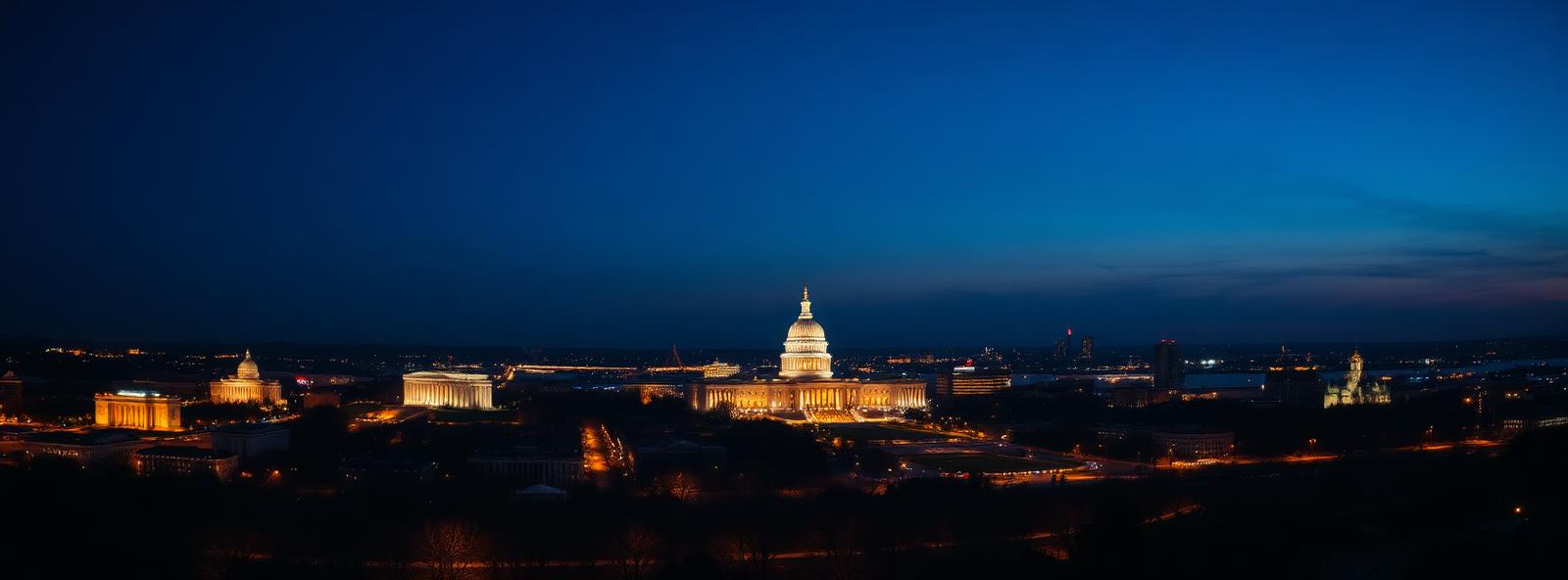
Restoration software in Washington, DC
Capture every request around the clock and schedule by corridor instead of by whoever called first.
First call to first truck in minutes, with the documentation the adjuster needs.
Businesses in Washington serve Arlington, Alexandria and Bethesda as well as the metro, and jobs sit close together but traffic decides the day, so booking by corridor beats booking by whoever called first. Because each change of season resets what customers are calling about, the difference between a good year and a flat one usually comes down to how fast intake turns into a booked, confirmed, invoiced job.
Instead of six subscriptions that do not talk, a Washington restoration business gets one system that carries a job from loss reported to close and refer without anything retyped. We configure it for District of Columbia service areas and your own pricing, and we keep running it for you — there is no admin panel you are left to figure out.
The Washington market, specifically
What we account for when we build a restoration system for this metro rather than a generic one.
- Market size
- Washington, DC is roughly the 7th-largest metro area in the United States.
- Service radius
- Crews based in Washington routinely work Arlington, Alexandria, Bethesda and Silver Spring as part of a normal week.
- Region
- Mid-Atlantic — District of Columbia. Licensing, permitting, and travel charges are configured per District of Columbia jurisdiction rather than assumed.
- Demand pattern
- Four distinct seasons — the work mix resets with every season, so the pipeline stages and follow-up cadences have to change with it.
- Market character
- Dense urban market — short drives but unforgiving traffic and access rules, so booking by corridor beats booking by call order.
The restoration operators we work with in Washington rarely have a demand problem. They have a throughput problem: Losses called in overnight that nobody answers until morning, and every hour that sits between an inbound request and a confirmed appointment is an hour a competitor in Arlington, Alexandria and Bethesda can use.
Locally, the work mix resets with every season, so the pipeline stages and follow-up cadences have to change with it. For restoration work that means loss reported has to keep running when nobody is at a desk, and close and refer cannot wait until the rush is over.
Washington is also a market where short drives but unforgiving traffic and access rules, so booking by corridor beats booking by call order. That shapes how we configure your restoration pipeline more than anything about the software itself.
So the build for a Washington restoration business starts with service-area zones covering Arlington, Alexandria and Bethesda, an intake that answers on every channel at any hour, and a follow-up cadence that chases quotes until they win or die.
Serving the Washington metro
We work remotely with US businesses across District of Columbia and the rest of the country. Nothing about the build requires us on site.
What's costing Washington owners today
- Losses called in overnight that nobody answers until morning
- Photos and moisture readings scattered across three techs' phones
- Adjuster requests answered days late, delaying payment
- Referral partners and agents who never hear from you between jobs
What changes
- More overnight losses captured instead of missed
- Faster claim approval from documentation that's already complete
- A referral network that hears from you on purpose, not by accident
One Washington job, start to finish
- 01
Loss reported
Answered around the clock with cause, category, and address captured on one job record.
- 02
Crew dispatched
Assigned and en route with the homeowner and referring agent both notified.
- 03
Documentation builds
Photos, readings, and daily notes attach to the job from the field as work happens.
- 04
Claim package sends
The adjuster gets a complete, timestamped file instead of a chase.
- 05
Close and refer
Final invoice, review request, and a follow-up sequence to the agent who sent the job.
Washington questions
Restoration & Mitigation near Washington
The closest markets we run the same system in.
Baltimore, MD
Restoration software for Baltimore-area businesses.
Virginia Beach, VA
Restoration software for Virginia Beach-area businesses.
Richmond, VA
Restoration software for Richmond-area businesses.
Roanoke, VA
Restoration software for Roanoke-area businesses.
Lynchburg, VA
Restoration software for Lynchburg-area businesses.
Charleston, WV
Restoration software for Charleston-area businesses.
Salisbury, MD
Restoration software for Salisbury-area businesses.
Charlottesville, VA
Restoration software for Charlottesville-area businesses.
Morgantown, WV
Restoration software for Morgantown-area businesses.
Popular trades in Washington
The Washington businesses we hear from most. Each one gets the same system, tuned to how that trade actually books, quotes, and collects.
Other trades we run in Washington
You didn't get into business to be in the tech business.
Tell us what a day in Washington looks like and we'll show you the version of it that runs on one system.
We serve Washington remotely. TactStack is an internet-based company with no physical office in Washington.